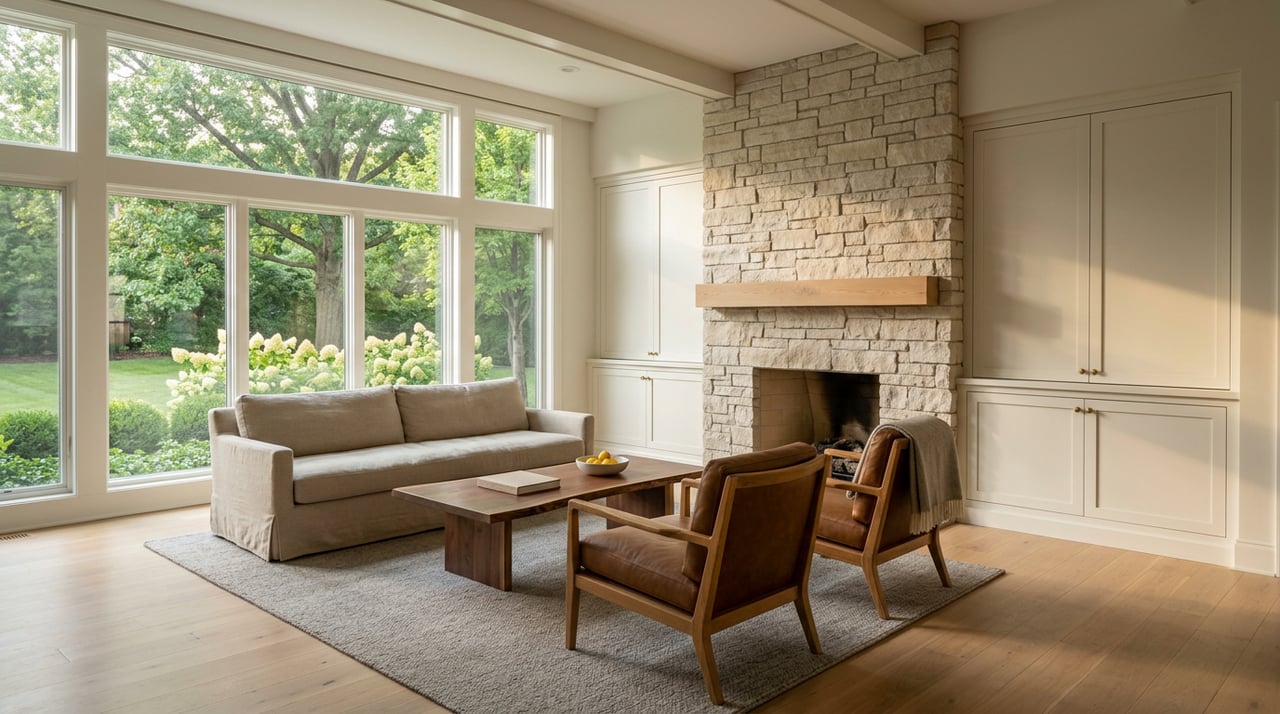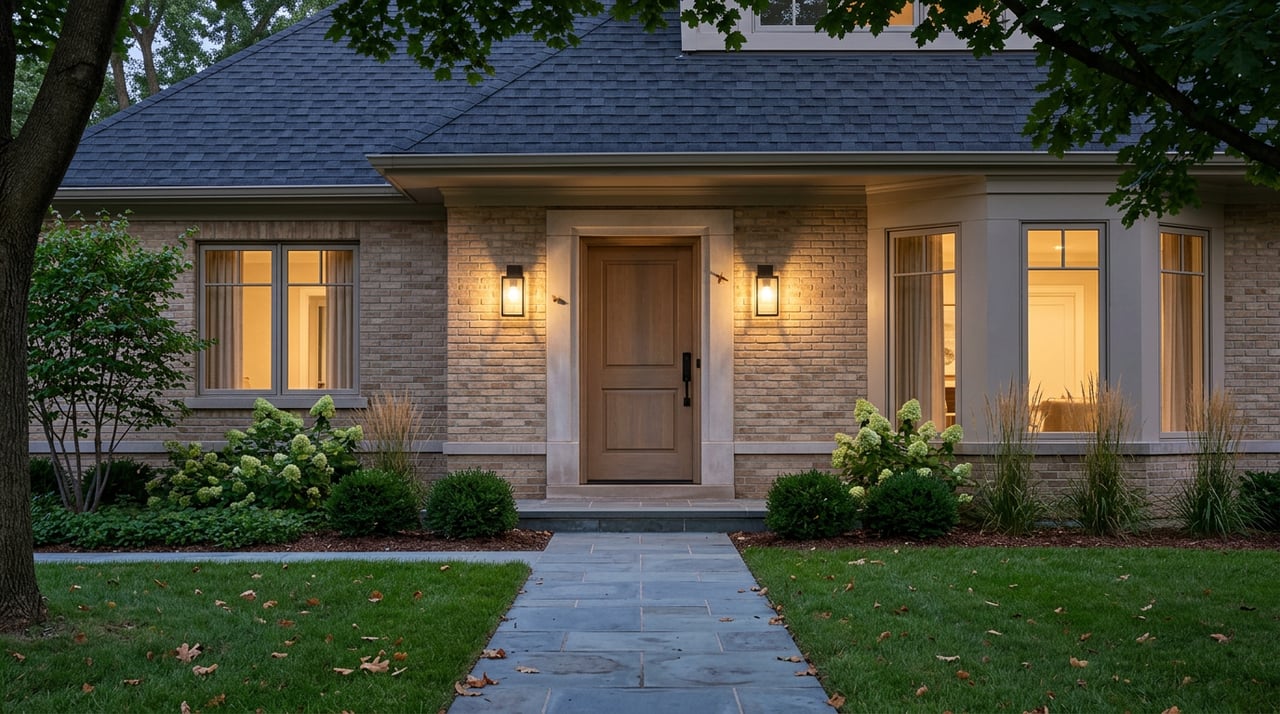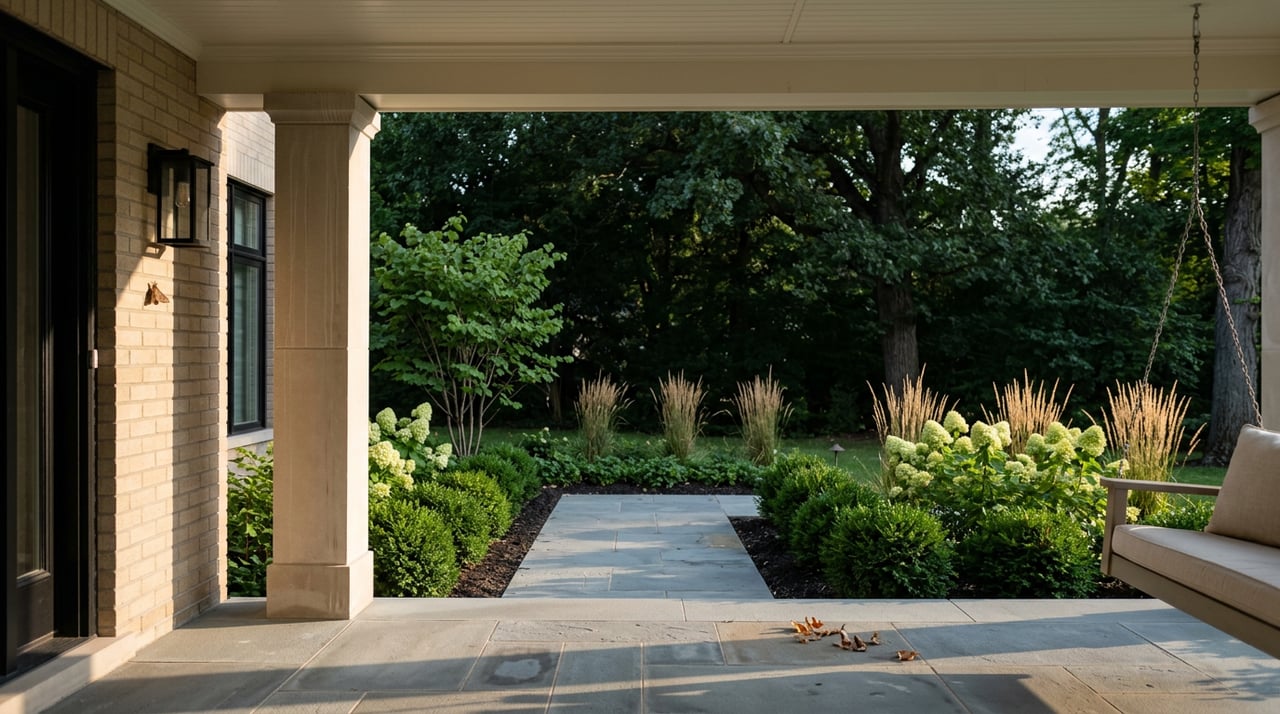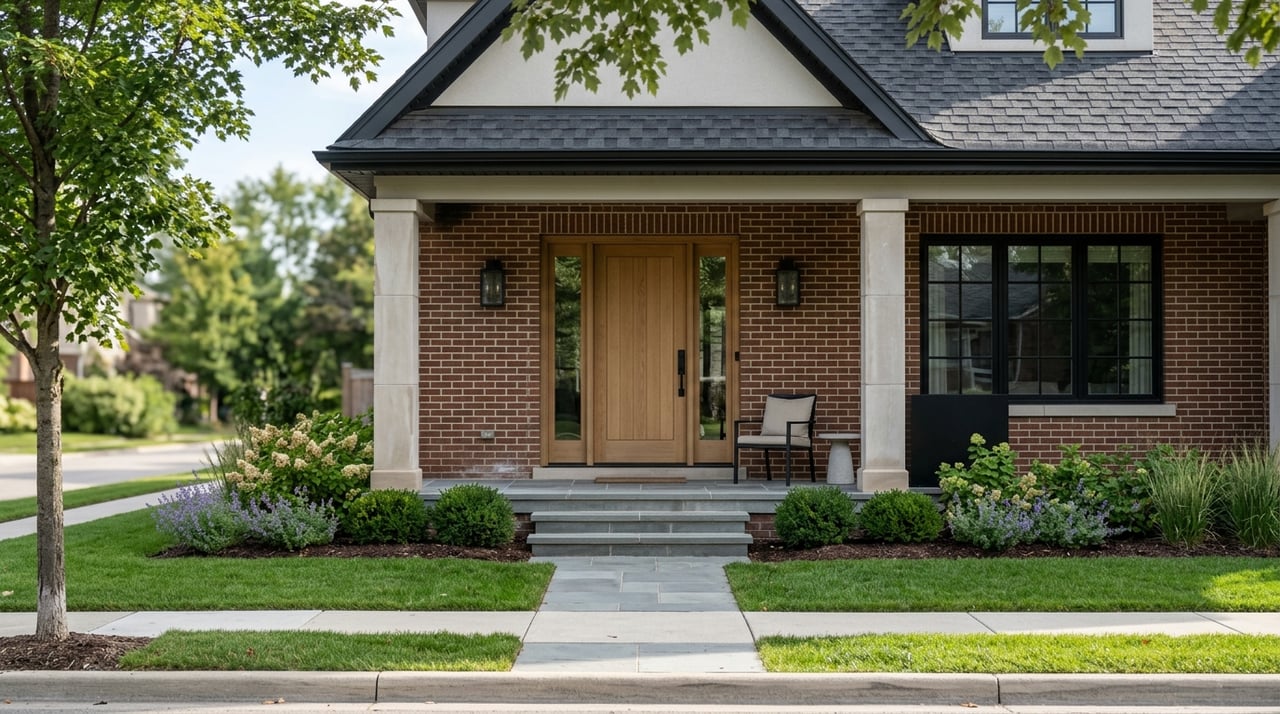
Trying to choose between Zionsville’s Village and one of its many subdivisions? You are not just picking a house style or lot size. You are choosing how you want your days to feel, from morning walks and weekend routines to maintenance expectations and long-term flexibility. If you are weighing charm, convenience, space, and upkeep, this guide will help you compare the lifestyle tradeoffs with more confidence. Let’s dive in.
Why the choice matters in Zionsville
In Zionsville, “Village” and “subdivision” are not just marketing labels. They often reflect very different patterns of development, home styles, lot sizes, and maintenance responsibilities. That means the right fit depends on how you want to live, not just what looks best in photos.
The Village centers on Brick Main Street and the compact downtown core. The Town describes it as a mix of modern and rustic, with shops, restaurants, historic buildings, and festivals that extend into nearby Lions Park. It is also a cultural and civic hub, with the Zionsville Cultural District focused on art, history, culture, and community assets.
Outside the Village, Zionsville offers a much wider range of residential settings. Town zoning includes everything from compact urban-lot patterns to half-acre, one-acre, and even 3-acre rural categories. In practice, that means a subdivision in Zionsville can feel very different depending on where you look.
What living in the Village feels like
If you want a more walkable daily routine, the Village often stands out. The downtown area puts shops, restaurants, events, and public spaces closer together, and the Town continues to prioritize pedestrian improvements and downtown access. For many buyers, that creates a lifestyle centered on convenience, character, and a stronger connection to the historic core.
The Village also carries a distinct sense of place. The area is shaped by historic buildings, community events, and a preservation-minded approach that helps maintain its identity. If you enjoy older neighborhoods with visual variety and a traditional street pattern, that can be a major draw.
At the same time, Village living usually comes with tradeoffs. Homes may sit on smaller lots, and updates or additions can face more scrutiny than they would in a newer neighborhood. If you love charm but also want simple renovation freedom, that is worth thinking through early.
What Village homes tend to offer
Zionsville’s R-V Village Residential District is intended to maintain the historic core and village neighborhoods. The code sets an 8,000-square-foot minimum lot area, 50-foot minimum width and frontage, and 35 percent maximum lot coverage. Compared with a standard suburban pattern, that tends to support a tighter, more historic neighborhood feel.
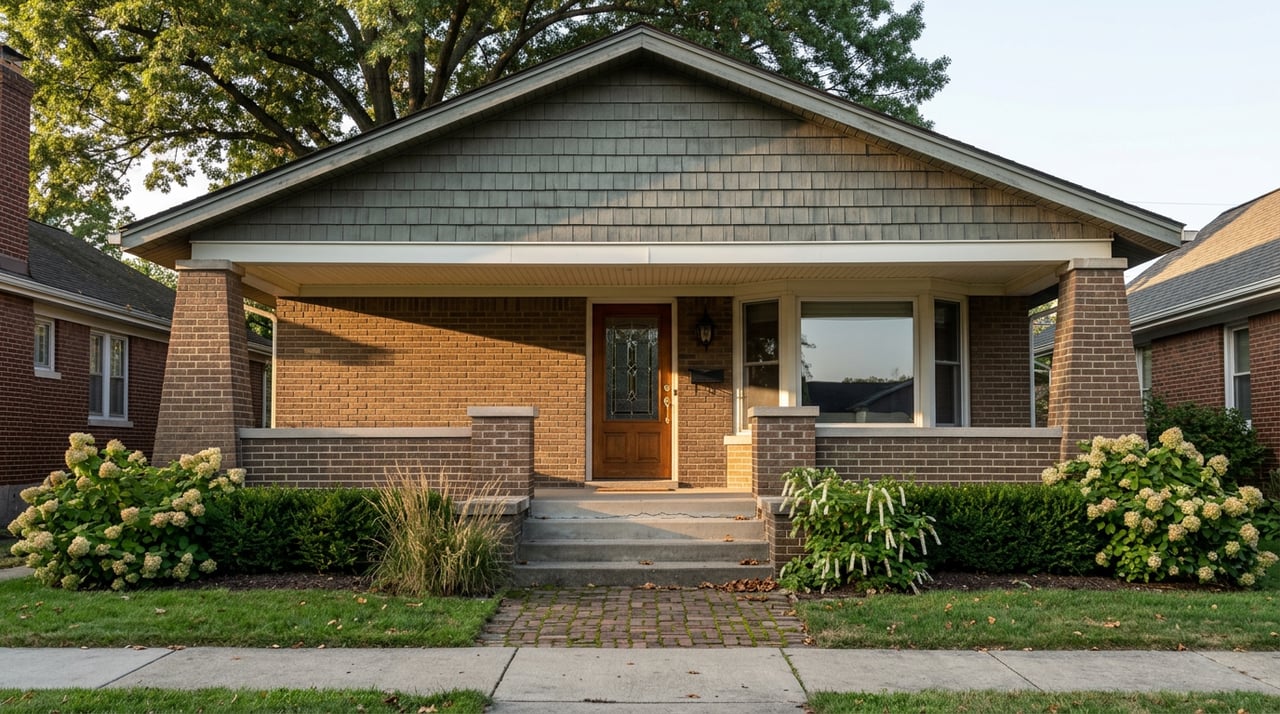
The local historic-home inventory reflects that character. Common styles include Bungalows, American Small Houses, Carpenter-Builder homes, Colonial Revival, Queen Anne, Italianate, Craftsman, and American Four Square. If you are drawn to architecture with age and personality, the Village offers a noticeably different housing experience than newer construction areas.
Some Village lots are quite compact in practice. Recent zoning cases included parcels of about 0.18 acres and 0.17 acres. That helps explain why projects like additions, patios, garages, or rebuilds may require more planning and review.
What to expect with Village upkeep
Maintenance tends to be more visible in the Village, especially because homes are closer together and the streetscape is part of the area’s appeal. The Town provides seasonal services for urban-service residents that include brush and limb collection, heavy trash collection, leaf collection, and snow removal. Those services can be helpful, but they do not remove all owner responsibilities.
For example, the Town code says abutting owners must clear sidewalks and pathways by noon on the second day after snowfall. If your home has older features, mature landscaping, or limited lot space, regular upkeep can also require more hands-on attention. For some buyers, that is part of the charm. For others, it may feel like more work than they want.
What newer subdivisions feel like
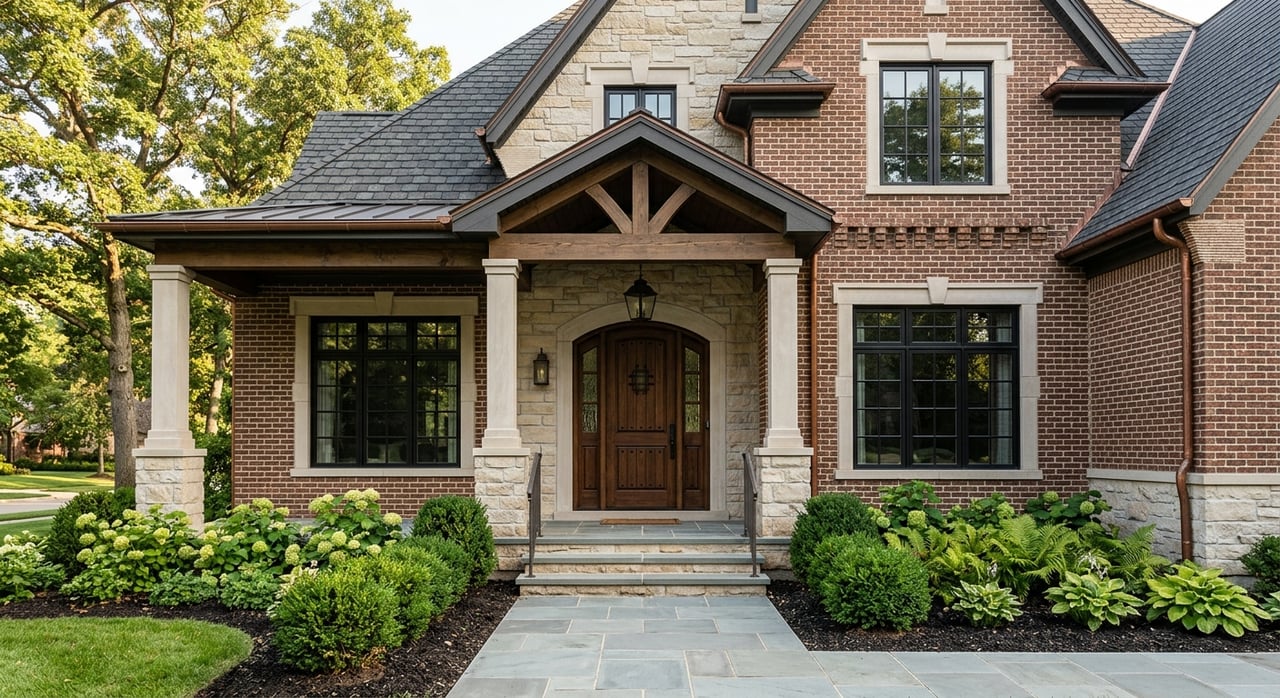
If the Village is about historic character and a compact downtown setting, subdivisions in Zionsville often offer more variety in layout and scale. Some neighborhoods have smaller lots and a more traditional suburban pattern, while others offer larger lots and a more spacious setting. The difference can be meaningful if privacy, yard size, or new-home features are high on your list.
You may also find a more contemporary streetscape outside the Village. Newer communities can appeal to buyers who want modern floor plans, less historic design influence, and a different mix of housing options. That does not make one better than the other. It simply comes down to what feels right for your lifestyle.
Another practical difference is maintenance structure. Not every neighborhood is maintained the same way. The Town notes that in Holliday Farms, streets are privately owned and maintained even after the rural-to-urban service transition, which is a useful reminder to ask detailed questions before you buy.
Village vs subdivision at a glance
| Feature | Village | Newer Subdivision |
|---|---|---|
| Setting | Historic downtown core | Wider range of neighborhood settings |
| Streetscape | Historic, compact, character-driven | Often newer and more contemporary |
| Lot pattern | Typically tighter and smaller | Can range from compact to estate-scale |
| Home styles | Early- to mid-20th-century mix | Wider mix, often newer construction |
| Walkability | Stronger access to shops, dining, and events | Varies by neighborhood |
| Update flexibility | May involve added review and preservation sensitivity | Often more straightforward, depending on area |
| Maintenance structure | Mix of owner duties and Town services | Varies, including possible private-street structures |
Questions to ask before you tour
The best way to narrow your choice is to look beyond finishes and square footage. In Zionsville, small details about zoning, maintenance, and review standards can shape your ownership experience more than buyers expect.
Before touring homes, ask these questions:
- Who maintains the street?
- Who is responsible for clearing sidewalks?
- Is the property in the R-V Village district or another zoning category?
- If you want to add on later, would additions or demolition trigger extra review?
- How large is the lot, and how much outdoor flexibility does it really offer?
These questions can help you compare homes more clearly, especially if you are deciding between a historic property and a newer neighborhood home.
How Zionsville compares nearby
Sometimes it helps to compare Zionsville with nearby communities to better understand its appeal. Carmel’s Arts and Design District is a larger regional destination in Old Town Carmel, with galleries, showrooms, restaurants, antique stores, and specialty retail. Carmel also highlights a strong trail network, including 5.2 miles of the Monon Greenway within the city, so its core tends to feel broader, more mixed-use, and more trail-integrated than Zionsville’s Village.
Whitestown offers a different contrast. The town is near Interstate 65, less than 30 minutes from downtown Indianapolis and the airport, and its 2022 comprehensive plan describes a fast-growing community shifting from subdivisions to a broader neighborhood model. Relative to Zionsville’s Village, Whitestown feels newer, faster-growing, and more growth-planned than heritage-driven.
For many buyers, that is exactly why Zionsville stands apart. You can choose between a historic Village setting and a broad mix of neighborhood types without leaving the same town.
Which Zionsville lifestyle fits you best
The Village may be the better fit if you want to walk to shops, restaurants, and events, and if you value historic character enough to accept smaller lots and more upkeep planning. It can also be a strong match if you appreciate architecture with age, detail, and variety.
A subdivision may fit better if you want a different range of lot sizes, a more contemporary streetscape, or newer construction features. It can also make sense if you prefer a neighborhood structure that feels more predictable from a maintenance or layout standpoint, though you still need to confirm how each community is maintained.
There is no one-size-fits-all answer in Zionsville. The right choice comes down to how you want your home to support your routine, your priorities, and your future plans.
If you want help sorting through Village charm versus subdivision convenience, Heigl Real Estate Group can help you compare neighborhoods, ask the right questions, and find the Zionsville fit that feels right for you.
FAQs
What is the difference between the Village and subdivisions in Zionsville?
- The Village is Zionsville’s historic downtown residential area with smaller lots, older home styles, and strong walkability to shops, restaurants, and events, while subdivisions outside the Village can range from compact neighborhoods to larger-lot and estate-style settings.
What are Village homes like in Zionsville?
- Village homes often reflect early- to mid-20th-century styles such as Bungalows, Craftsman, Colonial Revival, Queen Anne, Italianate, and American Four Square, with lot patterns shaped by the historic core.
Are Village lots smaller than subdivision lots in Zionsville?
- In many cases, yes. The R-V Village Residential District uses an 8,000-square-foot minimum lot area and recent zoning cases show some Village parcels around 0.17 to 0.18 acres, while subdivisions in Zionsville can include much larger lot options depending on the area.
What maintenance questions should buyers ask in Zionsville neighborhoods?
- Buyers should ask who maintains the street, who clears sidewalks, what zoning district the property is in, and whether future additions or demolition could require extra review.
Is the Village more walkable than newer subdivisions in Zionsville?
- For many buyers, yes. The Village’s compact downtown setting, Brick Main Street, shops, restaurants, festivals, and pedestrian-focused improvements generally create a more walkable day-to-day environment than many newer neighborhoods.