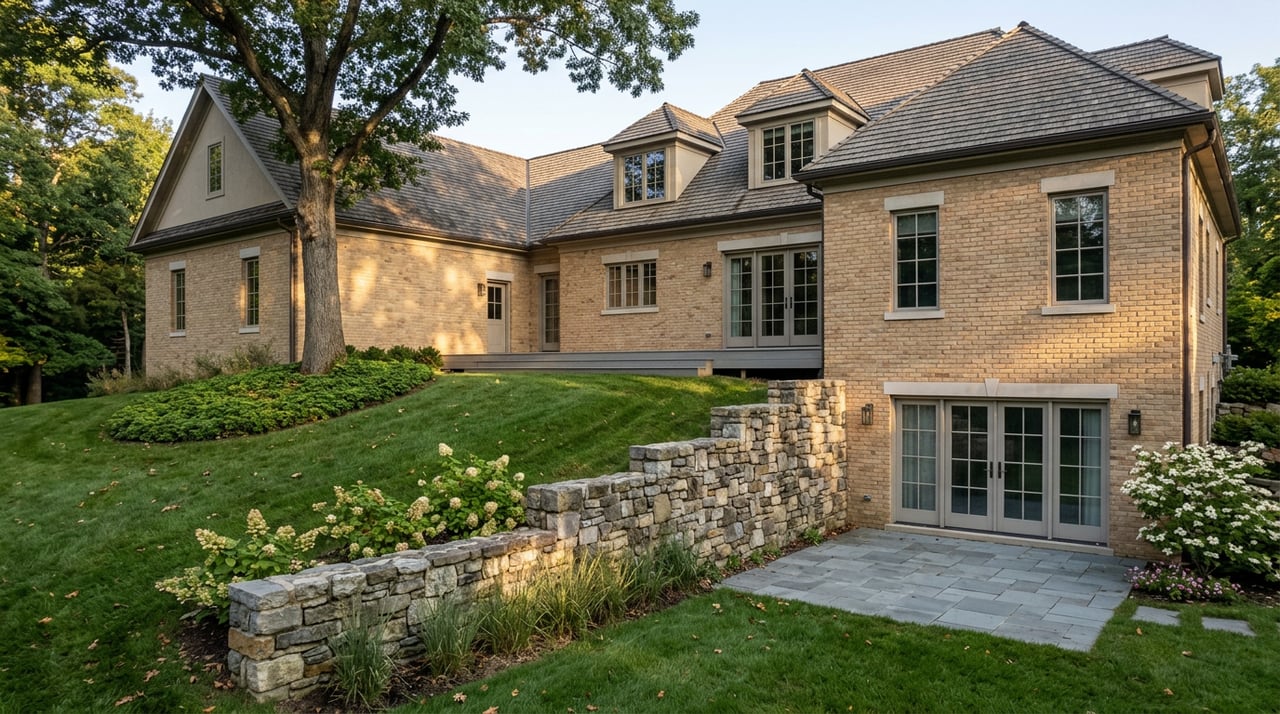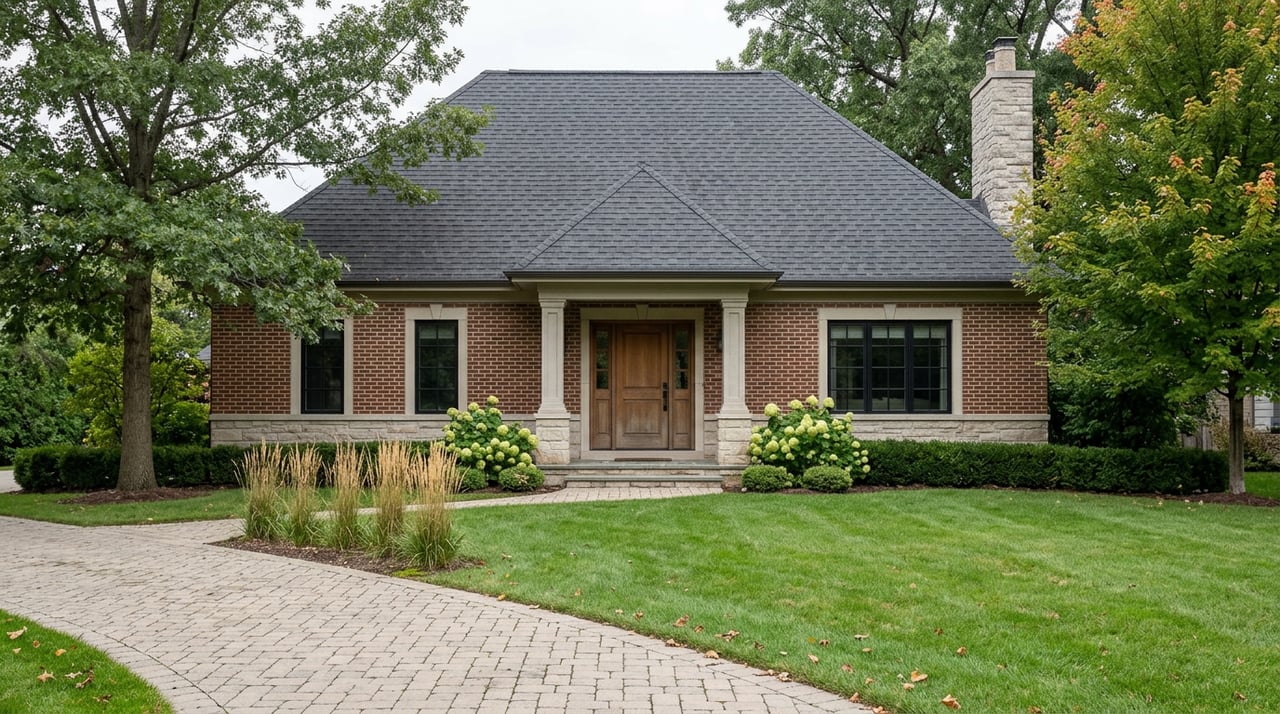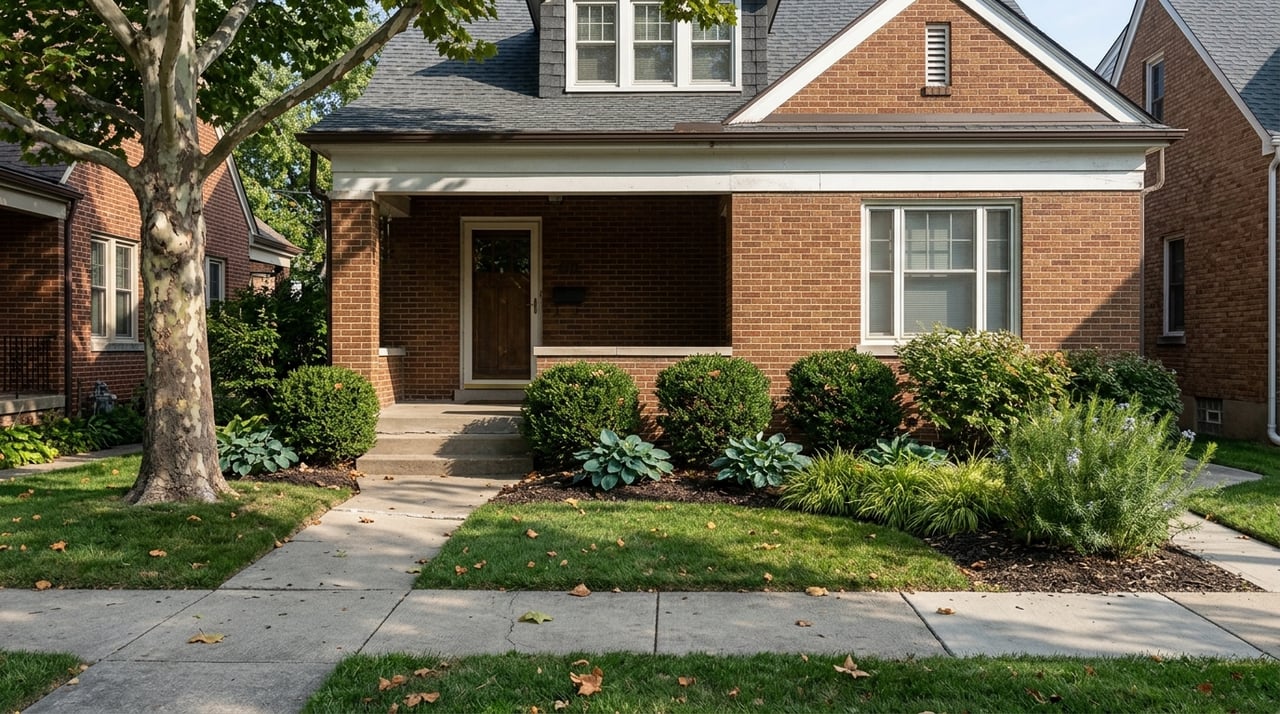
A new federal housing law limits corporate buyers and expands financing options. Here's what changes for buyers, sellers, and builders across Boone, Hamilton, Hendricks, and Marion County.
Quick answer: On July 11, 2026, Congress passed the 21st Century ROAD to Housing Act, the biggest federal housing law since 1990. For Zionsville and Central Indiana, the two provisions that matter most are a new restriction on large institutional investors buying single-family homes and expanded financing for accessory dwelling units and small-dollar mortgages. Here's what that means if you're buying, selling, or building in Boone, Hamilton, Hendricks, or Marion County.
If you've felt like you were competing against a corporation the last time you made an offer on a house, you weren't imagining it. In parts of Central Indiana, institutional buyers have been a real presence in the single-family market for years, scooping up starter homes and mid-tier properties for the rental pool before individual buyers ever got a chance to tour them.
That's about to change, at least in part. On July 11, 2026, the 21st Century ROAD to Housing Act became law, a sweeping, bipartisan overhaul that housing policy experts are calling the most significant federal housing legislation since 1990. It's more than 1,100 pages long, and most of it is not going to change your Tuesday. But a few pieces of it absolutely will, especially if you're buying, selling, or building in Boone, Hamilton, or Hendricks County right now.
Here's what we think actually matters for you, without the legislative jargon.
What does the new housing law do about institutional investors?
The most talked-about piece of the bill is nicknamed "Homes Are for People, Not Corporations." It restricts large institutional investors, defined as any entity that owns at least 350 single-family homes, from purchasing new single-family homes going forward. There's a carve-out for build-to-rent developments, but even those investors are required to sell those homes to individual owners after seven years.
Practically, this means less competition from cash-heavy, all-offers-waived institutional buyers on the exact homes our buyers have been chasing: well-priced starter homes, solid mid-century ranches, move-up properties in established neighborhoods. It doesn't eliminate investor activity entirely, but it meaningfully narrows the field for the biggest players, shifting leverage back toward individual buyers and families.
Will it be easier to build new homes and ADUs in Central Indiana?
Several sections of the bill are aimed squarely at supply, which is the real root of affordability pressure in fast-growing markets like ours. The bill ties some local funding to housing production, rewarding communities that accelerate homebuilding and streamlining environmental review timelines for housing projects. It also modernizes rules around manufactured and modular housing and expands FHA financing to cover the construction of accessory dwelling units.
For a place like Zionsville, where Boone County has been one of the state's fastest-growing areas, this matters. It opens the door to more housing variety, in-law suites, guest quarters, rentable ADUs, alongside the traditional single-family stock, without requiring years of red tape to get there.
Does this change mortgage financing for Zionsville and Central Indiana buyers?
Buyers looking under the $300,000 threshold, which still accounts for a meaningful share of the Central Indiana market, may benefit from provisions that direct federal regulators to study and reduce barriers to small-dollar mortgages. The bill also reforms the appraisal process, requiring lenders to have a real procedure in place when a buyer or seller disputes a low appraisal, and updates FHA loan limits. There's also a new requirement that loan applications disclose VA loan eligibility more clearly, which is worth knowing if you or a family member has served.
None of these is headline-grabbing on its own. Together, they chip away at some of the friction that's made financing feel harder than it should be the last few years.
Why this matters specifically for Zionsville, Boone, Hamilton, and Hendricks County
Central Indiana isn't a market that needed rescuing. Hamilton County closed sales are climbing. Hendricks County is seeing a stronger spring than expected in communities like Avon, Brownsburg, and Plainfield. Boone County, with Zionsville and Whitestown leading the way, continues to add residents faster than almost anywhere else in the state. Indianapolis was recently ranked among the most buyer-friendly metros in the country for 2026.
What this law does is protect and reinforce a market that was already trending in buyers' favor. Less institutional competition, more supply flexibility, and a handful of financing improvements don't rewrite the story of Central Indiana real estate. They add a tailwind to a market that's already moving the right direction.
What we're watching next
Most of what's in this bill will roll out over the next 12 to 24 months as HUD, the CFPB, and other agencies write the actual rules. We'll be tracking how it plays out locally, particularly the investor restriction and the ADU financing piece, since both have real implications for how we advise buyers and sellers in Zionsville and across Boone, Hamilton, and Hendricks counties.
This is the kind of thing that's easy to read a headline about and hard to actually apply to your specific situation. That's what we're here for. If you're weighing whether now is the right time to buy, sell, or build, let's talk through what this actually changes for your plans, not just what it says on paper.
Frequently asked questions
What is the 21st Century ROAD to Housing Act? It's a bipartisan federal housing law that took effect on July 11, 2026. It combines House and Senate housing legislation and covers institutional investors, affordable housing financing, manufactured and modular housing, FHA and appraisal reform, and veteran housing programs.
Does the new housing law stop investors from buying homes in Indiana? It restricts large institutional investors, defined as those owning at least 350 or more single-family homes, from purchasing new single-family homes. Build-to-rent developments are exempt, but those investors must sell the homes to individual owners after seven years.
How does this affect Zionsville and Boone County home buyers specifically? Boone County, including Zionsville and Whitestown, is one of the fastest-growing areas in the state. Reduced institutional competition, combined with new ADU financing and streamlined approvals for housing projects, adds momentum to a local market that was already trending toward more buyer opportunity in 2026.
Does the law change FHA loans or mortgage approval requirements? Yes. It updates FHA loan limits, reforms the appraisal dispute process, and directs federal regulators to study and reduce barriers to small-dollar mortgages, which primarily affects homes priced under $300,000.
When will the effects of this law be noticeable in the Central Indiana housing market? Most provisions roll out over the next 12 to 24 months as HUD and other federal agencies finalize the rules. The institutional investor restriction and ADU financing changes are the two we're watching most closely for local impact.
Laura Heigl leads the Heigl Real Estate Group at CENTURY 21 Scheetz in Zionsville, Indiana. She holds the Guild ELITE luxury designation and serves as one of two National Luxury Marketing Trainers for CENTURY 21, with 20 years of experience and having served more than 1,000 families across Central Indiana.