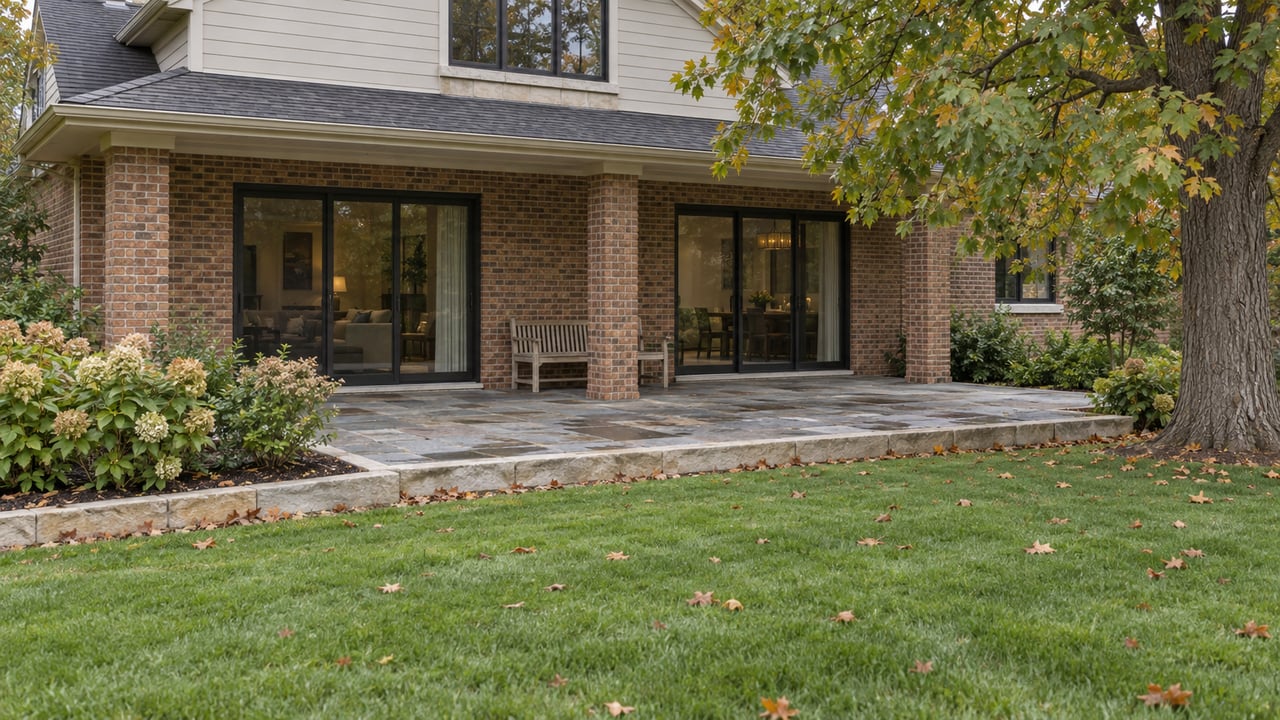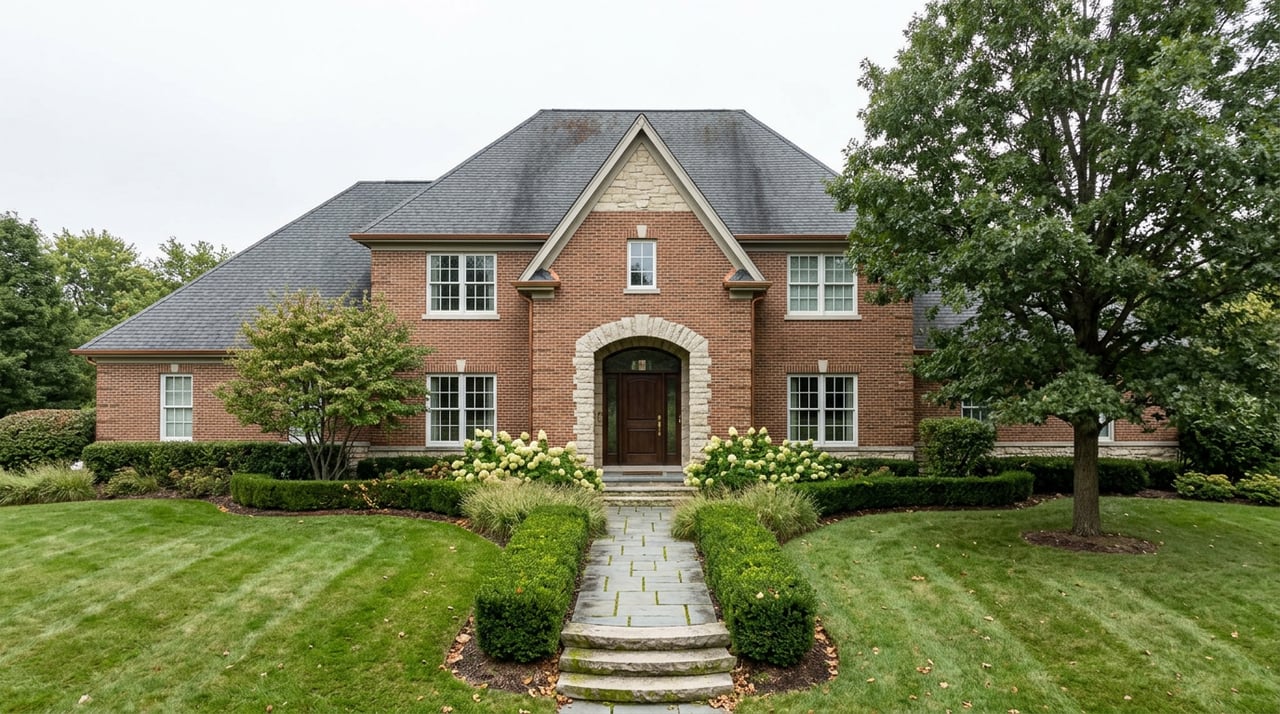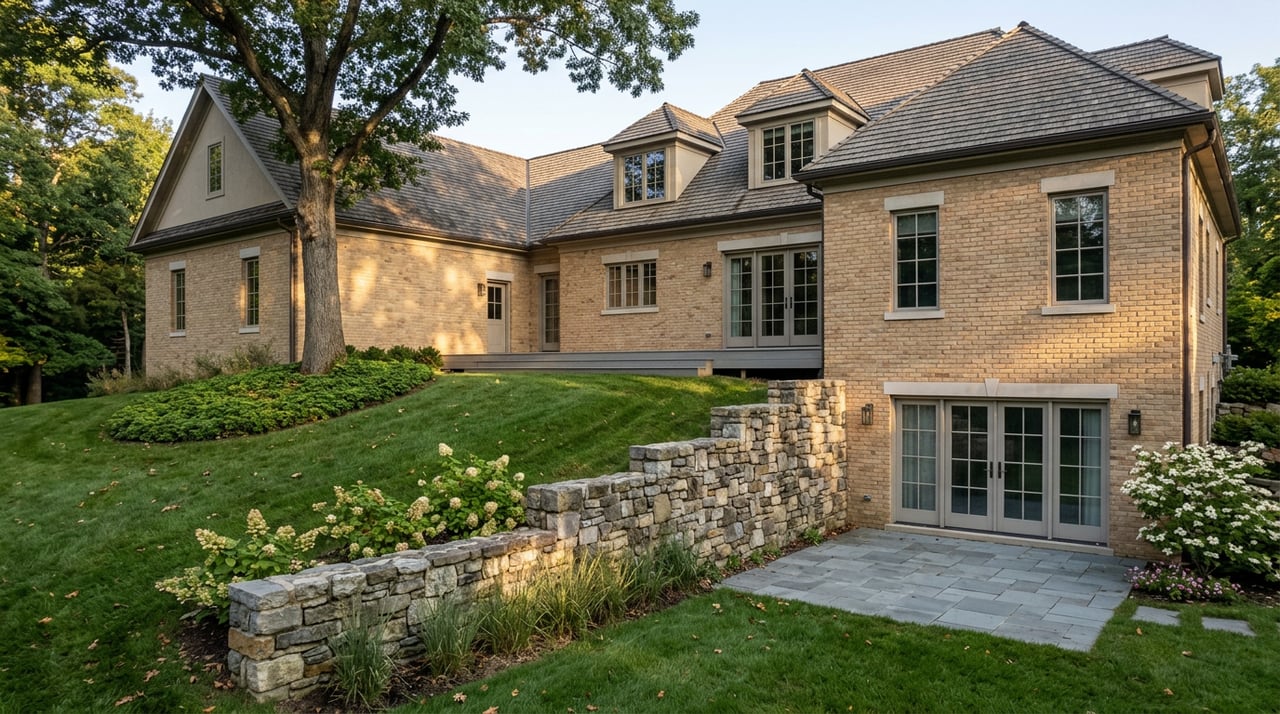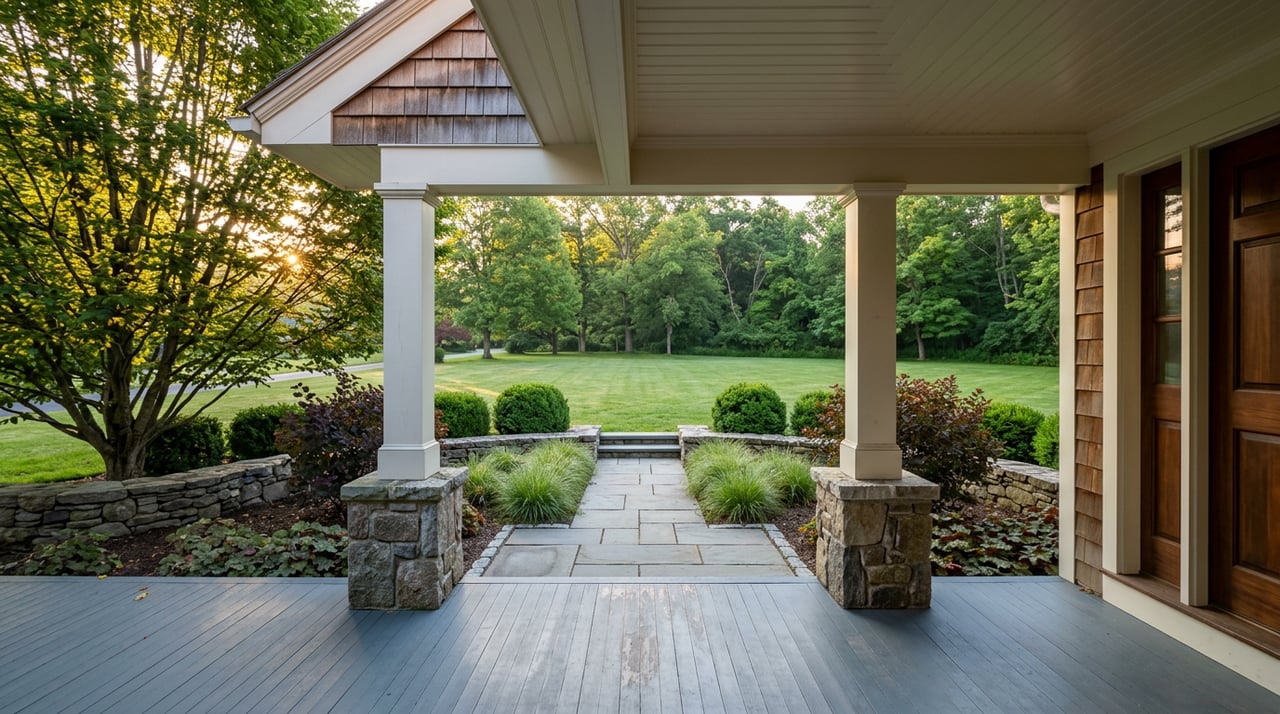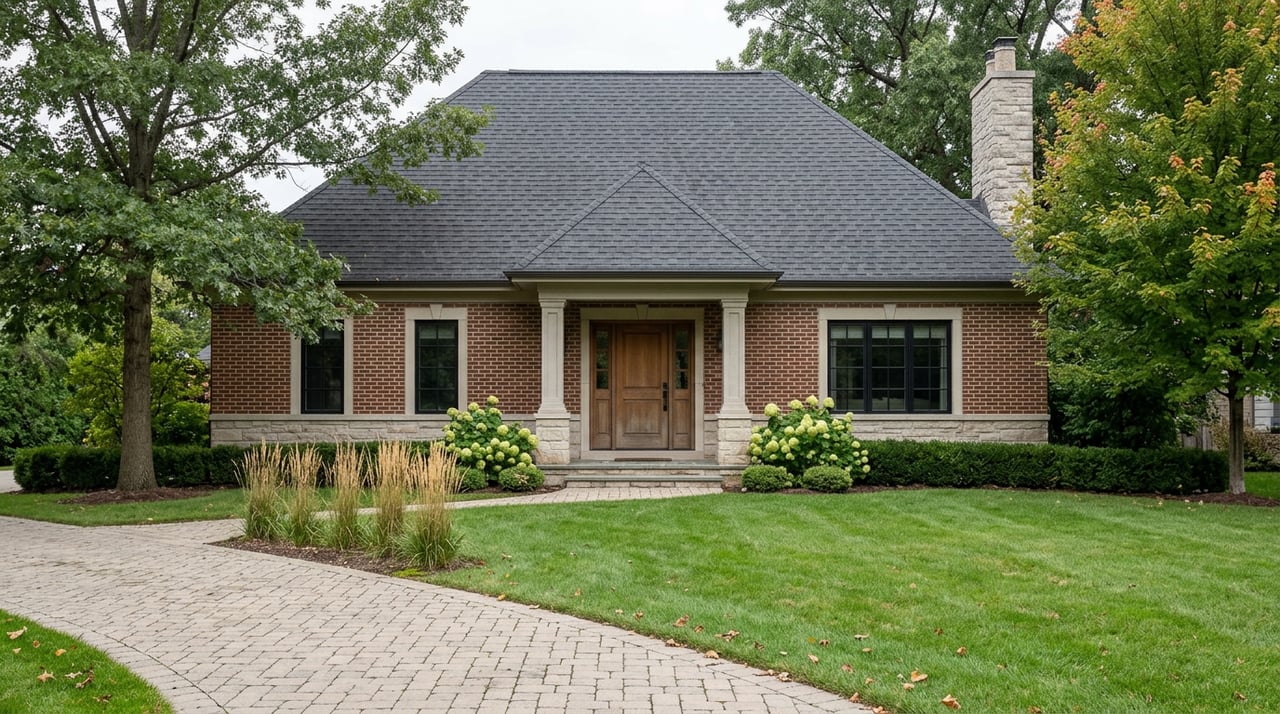
Two homes went on the market in Westfield this spring within half a mile of each other. Both were four bedrooms, roughly 2,800 square feet, similar lots, similar school assignment. One was a nine-year-old resale priced at $585,000. The other was a quick-move-in spec home in a builder community, listed at $612,000. On paper the resale looked like the better deal by nearly $30,000.
The spec home sold first, and it wasn't close.
That gap is the story this year in Westfield, and it has nothing to do with staging, curb appeal, or which agent held the better open house. It has to do with a financing mechanism most resale sellers never think to compete against, because it doesn't show up on the sign in the yard or the listing sheet. It shows up on the loan estimate.
Why the Builder Won't Just Cut the Price
Here's the part that surprises people who assume new construction and resale compete on the same terms: builders in Westfield rarely lower their base price, even when a home sits. What they do instead is stack incentives on top of the price. A rate buydown that knocks the effective interest rate down for the first year or two, or permanently. A closing cost credit. A design center allowance worth tens of thousands of dollars in flooring, cabinetry, or landscaping.
This isn't a courtesy. It's a math problem builders are solving for themselves. Every home in a subdivision like Harvest Trail or the Courtyards of TowneRun eventually gets appraised against the sale prices of the homes built before it. If a builder drops the advertised price on one house to move it, that lower number becomes a comp for the next phase, and the one after that, for years. An incentive doesn't do that. The published price stays clean. The buyer still gets a lower effective payment, but the number an appraiser sees on the settlement statement never moves.
A mortgage industry breakdown of this exact pattern lays it out plainly: builders can offer a buyer a materially lower monthly payment through a rate buydown without ever touching the base price, which is precisely why incentives have stayed aggressive even as outright price cuts remain rare. That distinction is the whole ballgame for anyone trying to sell a resale home in a subdivision where new construction is still being built next door.
What a Buyer Actually Sees When They Compare Your Listing to a Model Home
Picture a buyer cross-shopping a $600,000 resale against a $625,000 new build in the same part of Westfield. On the surface, the resale wins by $25,000. But if the builder is offering a permanent rate buydown or several thousand dollars in closing costs, the buyer's actual monthly payment and cash-to-close on the new home can come in lower than the technically cheaper resale, once financing is factored in. The sticker price was never the real comparison. The monthly payment was.
This is the calculation resale sellers in new-construction-heavy pockets of Westfield are up against, and it explains something that would otherwise look like a contradiction in the data. Multiple sources tracking Westfield in 2026 point to a market that is still appreciating and still tight: one analysis using Redfin's three-month window ending June 2026 put the citywide median sale price around $495,000, up 2.6 percent year over year, alongside a March 2026 snapshot showing 99.01 percent of asking price and only 1.6 months of supply. That's not a soft market by any conventional measure.
And yet days on market has been stretching. Realtor.com's mid-2026 summary for Westfield showed roughly 46 days on market against 560 active listings. A market can post low supply and rising prices while still taking longer to sell a specific resale home, if a meaningful share of demand is being pulled toward new construction that's competing on payment rather than price.
The Incentive Toolkit, Compared
| Builder Tool | What It Changes | What It Doesn't Touch |
|---|---|---|
| Temporary rate buydown (2-1 or 3-2-1) | Lowers the buyer's monthly payment for the first one to three years | The published base price and future comps |
| Permanent rate buydown | Lowers the buyer's rate for the life of the loan | The published base price |
| Closing cost credit | Reduces cash the buyer needs at the table | The published base price |
| Design or upgrade credit | Adds finish value inside the home | The published base price |
| Outright price reduction | Lowers the number everyone sees | Future appraisal comps in the same subdivision |
Notice the pattern. Everything in that table except the last row leaves the headline price untouched. That's not an accident. It's the entire reason builders reach for incentives first.
Why This Isn't a Short-Term Wrinkle
If this were a one-season phenomenon, a resale seller could reasonably wait it out. It isn't. Westfield's pipeline of new-construction inventory is set to keep growing for at least the next decade.
In March 2026, the Westfield City Council approved the 765-acre Ironstone development on a narrow 4-3 vote, a project led by Platinum Properties that will bring well over 1,700 single-family homes, townhomes, and apartments to the city's far north side over a projected 10 to 15 year build-out. Infrastructure work is slated to begin before the first house goes up in 2027. That timeline means Westfield will have an active pipeline of builder-incentivized new construction competing with resale inventory well into the 2030s, not just through this year's rate environment.
That context matters for anyone deciding whether to list a resale home in Westfield now or wait for conditions to shift. The conditions creating this dynamic aren't cyclical. They're structural, built into how the city has chosen to grow.
What This Means If You're Selling a Resale Home Here
The instinct when a resale listing sits is to cut the price. In a market shaped like Westfield's, that's often the wrong lever to pull first, because the buyer walking through your house isn't necessarily comparing you to the resale down the block. They may be comparing you to a model home with a rate buydown already built into the marketing.
A few things follow from that:
Price to the comps you actually have, not to what the new-construction listing across the subdivision claims to offer. A $497,000 median sale price as of March 2026 with a 99 percent sale-to-list ratio tells you accurate initial pricing is still being rewarded here. Overpricing against a builder's incentive-adjusted effective cost is a longer sit than overpricing against another resale.
Consider matching the mechanism, not just the number. A seller-paid rate buydown or closing cost credit on a resale home speaks the same financial language a buyer has already been trained to look for by every builder sign they've driven past. It can move faster than an equivalent price cut.
Know what you're actually up against on finish level. Buyers touring a $600,000-plus new build in a community like Chatham Hills or Ravinia are seeing current-code systems, warrantied mechanicals, and finishes chosen in the last twelve months. A resale competing in that price band needs to make its case on the things new construction genuinely can't offer: mature trees, an established street, a lot that isn't still under a builder's silt fence next door, or square footage a comparable new build doesn't include at the same price.
A Few Questions Worth Answering Directly
Does this mean resale homes are a worse buy in Westfield right now? Not necessarily. Resale still offers things new construction can't manufacture quickly, including mature landscaping, established neighborhoods, and often more square footage per dollar once a buyer accounts for lot premiums and upgrade costs on a new build. The point isn't that one is better. It's that comparing them on sticker price alone misses the real competition.
Is the days-on-market increase specific to certain price bands? The general pattern shows up most clearly where resale and new construction sit in the same price range, roughly the $400,000 to $650,000 band where builders like Lennar, David Weekley, and Fischer Homes have active communities. Estate-priced resale homes competing against Chatham Hills' custom inventory face a different dynamic entirely, since that community's homes run from the low $1 millions into several million dollars.
Will Ironstone make this worse for current resale sellers? Home construction there isn't expected to begin until 2027, and the full build-out is projected to run 10 to 15 years after that. It won't change today's competitive picture. It does mean the underlying dynamic, new construction leaning on incentives rather than price cuts, is likely to remain a fixture of the Westfield market for a long time.
If you're weighing whether to list a resale home in Westfield, or trying to figure out how a specific builder incentive actually stacks up against your asking price, that's exactly the kind of comparison worth walking through with someone who tracks both sides of this market closely. Laura Heigl and the team work Westfield's resale and new-construction inventory side by side every week, and can help you price against what buyers are truly comparing, not just what the sign next door says. Contact us to talk through your specific situation.