Dreaming about a home with original woodwork, tall windows, and a story behind every room? Buying a historic home in Indianapolis can be exciting, but it also comes with details you do not want to miss. If you are considering an older property in Marion County, understanding local rules, common repair issues, and what makes these homes unique can help you buy with confidence. Let’s dive in.
Why Indianapolis Historic Homes Stand Out
Indianapolis has a strong collection of historic homes in well-known areas such as Lockerbie Square, Old Northside, Woodruff Place, Bates-Hendricks, Irvington, and North Meridian Street. These neighborhoods include homes built from the mid-1800s through the early 1900s, giving buyers a wide range of architecture and eras to explore.
What makes Indianapolis different is that local historic district rules often matter more than a National Register label alone. In some historic areas, the city requires review and a certificate of appropriateness before certain exterior work can move forward. That can affect materials, design choices, and some site features.
If a home is only listed on the National Register, private owners usually have more flexibility unless local ordinances, easements, or public funding apply. That is why one of the first questions you should ask is simple: Is this home in a locally designated historic district?
Common Historic Home Styles in Indianapolis
One of the best parts of shopping for a historic home in Indianapolis is the architectural variety. You are not looking at one repeating style. You are seeing a mix of forms that reflect the city’s growth over time.
Late 19th-Century Styles
Many older Indianapolis homes feature Italianate, Second Empire, and Queen Anne design. Indiana Landmarks identifies Italianate as the most common 19th-century high style in Indiana, and you can see examples of these forms in neighborhoods such as Old Northside and Lockerbie Square.
These homes often stand out for their height, decorative trim, and distinct exterior details. If you love historic character, these are often the properties that feel rich with original personality.
Early 20th-Century Styles
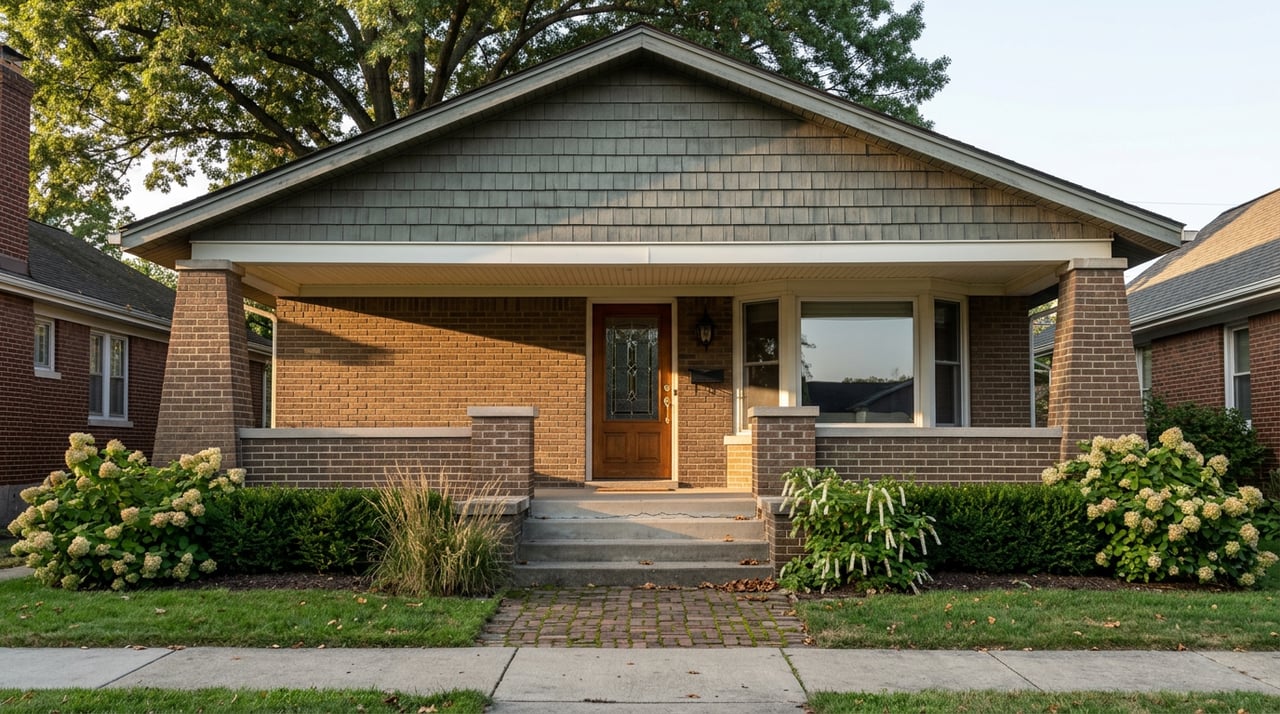
As Indianapolis expanded, other styles became common, including American Foursquare, Craftsman, Prairie, Colonial Revival, and Tudor Revival. The American Foursquare, in particular, is known as a practical two-story design that still feels functional for modern living.
On corridors like North Meridian Street, you may see several early-20th-century styles close together. That mix gives buyers more choices depending on whether you prefer formal design, simpler lines, or handcrafted details.
Neighborhood Identity Matters
Some historic areas have especially distinct character. Lockerbie Square was platted in 1847 and 1850 and includes a blend of residential, commercial, religious, and educational buildings constructed mostly between about 1855 and 1930.
Woodruff Place was platted in 1872 as a residence park and is known for predominantly neo-Jacobean and Eastlake dwellings. Irvington also offers a strong historic identity, and a current planning draft states that 78 percent of its homes were built before 1960.
What to Check Before You Buy
Charm is important, but condition matters just as much. Historic homes have often been updated many times over the years, and older systems may leave clues behind even after modern upgrades were installed.
Focus on Core Systems
When you tour or inspect an older home, pay close attention to:
- Roof age and condition
- Gutters and downspouts
- Foundation condition
- Electrical system
- Plumbing system
- HVAC age and performance
- Insulation
- Site drainage and grading
- Basement dampness
- Signs of roof or window leaks
Surface finishes can look polished while bigger issues remain hidden. A beautiful kitchen does not tell you whether drainage is pushing water toward the foundation.
Moisture Is a Big Deal
For historic homes, moisture is one of the most important concerns. The National Park Service identifies uncontrolled moisture as the most common cause of deterioration in historic buildings.
That means you should look carefully at grading, downspouts, roof leaks, basement moisture, and window-water intrusion. In many cases, managing water well protects the home better than any cosmetic update ever could.
Lead and Asbestos Need Special Attention
If you are buying a home built before 1978, lead-based paint should be part of your due diligence. According to the EPA, buyers of most pre-1978 homes have the right to receive lead disclosure and a 10-day period to inspect or assess lead hazards before signing.
If you plan to remodel after closing, lead-safe work practices matter. The EPA also recommends using lead-safe methods or a lead-safe certified contractor for renovation work where lead may be present.
Asbestos is another issue that can appear in older materials such as floor tile, ceiling tile, pipe wrap, or siding. Because asbestos cannot be identified by sight alone, any suspected material that is damaged or likely to be disturbed during renovations should be sampled by a trained, accredited professional.
Historic District Rules to Understand
Before you fall in love with a house, make sure you understand what you can and cannot change. In Indianapolis, if a home is in a locally designated historic district, some exterior changes, additions, or site work may require city review.
That review process may include a certificate of appropriateness. Depending on the district and the project, the city may regulate style, materials, and other exterior elements.
This does not mean historic ownership is too restrictive. It means you should go in with clear expectations. If your plan includes replacing windows, changing siding, building an addition, or altering exterior features, this step is especially important.
Repair Versus Replacement
With historic homes, the best answer is not always to replace old materials with new ones. The National Park Service recommends repair before replacement when possible, including for historic windows.
That guidance matters because original materials are often part of what gives these homes their value and character. In some cases, thoughtful repair can preserve both appearance and performance better than a full replacement approach.
Maintenance Expectations for Buyers
Owning a historic home in Indianapolis usually means accepting an ongoing maintenance cycle. These properties can be deeply rewarding, but they often need more regular attention than newer homes.
Common maintenance areas include:
- Paint
- Roofs
- Gutters
- Masonry
- Windows
- Weatherproofing
- Plumbing
- Heating and cooling systems
- Rewiring
- Insulation
- Plaster
- Kitchens and baths
- Floors
- Porches
Irvington’s planning draft specifically identifies the maintenance and repair of older housing stock as a community issue. That does not mean you should avoid these homes. It simply means you should budget for stewardship, not just purchase price.
Historic Home Incentives in Indiana
If you are planning to buy and improve a historic home, Indiana offers a state residential historic rehabilitation tax credit that may be worth exploring. This credit applies to qualifying owner-occupied historic homes that are at least 50 years old and are either individually listed or contribute to a listed district.
The credit equals the lesser of $10,000 or 20 percent of qualified rehabilitation costs. This can be meaningful for buyers planning substantial work on a qualifying property.
It is also important to understand that the separate federal historic tax credit is for historic, income-producing buildings. For most owner-occupant buyers purchasing a primary residence, the state program is the more relevant incentive.
Historic Homes Versus Newer Construction
Many buyers compare a historic Indianapolis home with newer construction in surrounding suburbs. The right choice depends on what matters most to you.
Historic homes in Indianapolis often offer original character, established district identity, and authentic materials that are hard to replicate. Newer homes may offer more modern layouts, less immediate maintenance, and fewer restrictions tied to historic review.
If you want true historic fabric, Indianapolis’s older neighborhoods usually offer more options than outer suburbs with newer or neo-revival construction. If you want easier upkeep and fewer unknowns, a newer home may fit better.
How to Buy Smart in Indianapolis
A historic home purchase should balance emotion with preparation. It is easy to fall for charm, but smart buyers slow down and ask the right questions.
Key Questions to Ask
Before you move forward, ask:
- Is the home in a locally designated historic district?
- What exterior changes need city review?
- How old are the roof, HVAC, plumbing, and electrical systems?
- Are there signs of drainage or moisture problems?
- Does the seller have information about lead disclosure?
- Are there materials that may need asbestos testing before renovation?
- Could the home qualify for Indiana’s residential historic rehab credit?
These questions can help you avoid surprises and plan ownership with more confidence.
Build the Right Team
Historic homes are not just another category of inventory. They require a more careful reading of condition, rules, and long-term cost.
Working with a local real estate team that understands older Indianapolis housing can help you evaluate trade-offs, spot red flags early, and decide whether a property fits your goals. That kind of guidance matters whether you are buying your first historic home or adding a character property to your next chapter.
If you are considering a historic home in Indianapolis, the right guidance can make the process feel much clearer. The team at Heigl Real Estate Group brings local market knowledge, responsive service, and a thoughtful approach to helping you find the right fit for your lifestyle and plans.
FAQs
What makes buying a historic home in Indianapolis different from buying an older home elsewhere?
- In Indianapolis, local historic district rules can be more important than National Register status alone, especially when exterior changes may require city review and a certificate of appropriateness.
What historic home styles are common in Indianapolis neighborhoods?
- Buyers in Indianapolis often see Italianate, Second Empire, Queen Anne, American Foursquare, Craftsman, Prairie, Colonial Revival, and Tudor Revival homes.
What should buyers inspect first in an Indianapolis historic home?
- Buyers should closely review the roof, gutters, foundation, electrical, plumbing, HVAC, insulation, drainage, basement moisture, and signs of leaks or water intrusion.
What should buyers know about lead paint in older Indianapolis homes?
- For most pre-1978 homes, buyers have the right to receive lead disclosure and a 10-day period to inspect or assess lead hazards before signing.
What should buyers know about asbestos in historic Indianapolis houses?
- Asbestos cannot be identified by sight alone, so damaged or renovation-disturbed materials such as old tile, pipe wrap, or siding should be evaluated by a trained, accredited professional.
Are there tax incentives for buying and renovating a historic home in Indiana?
- Indiana’s residential historic rehab credit may apply to qualifying owner-occupied historic homes that are at least 50 years old, with a credit equal to the lesser of $10,000 or 20 percent of qualified rehab costs.