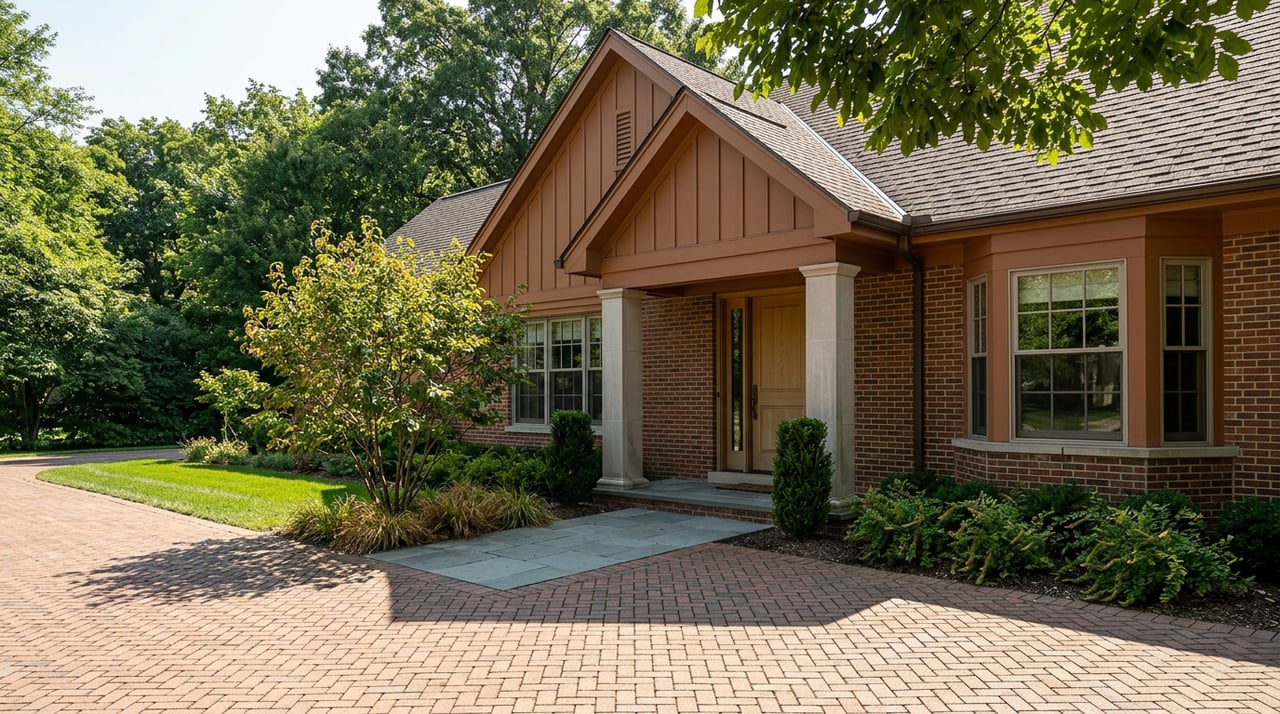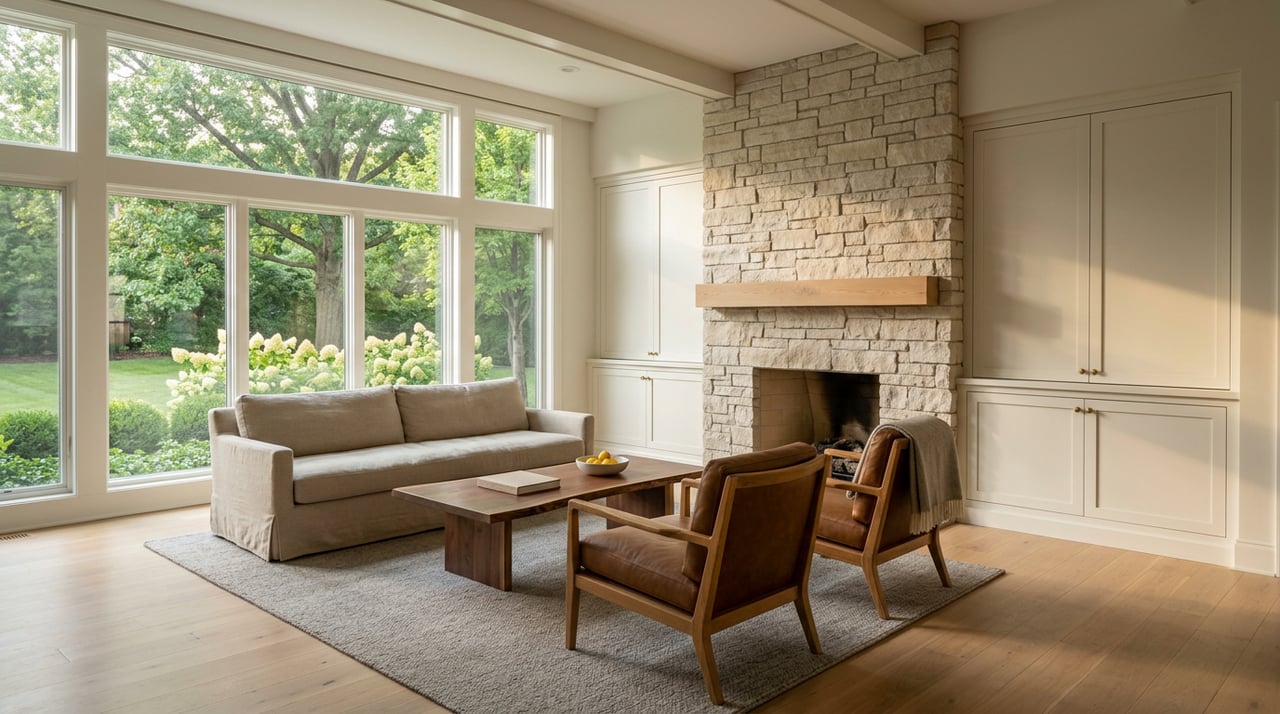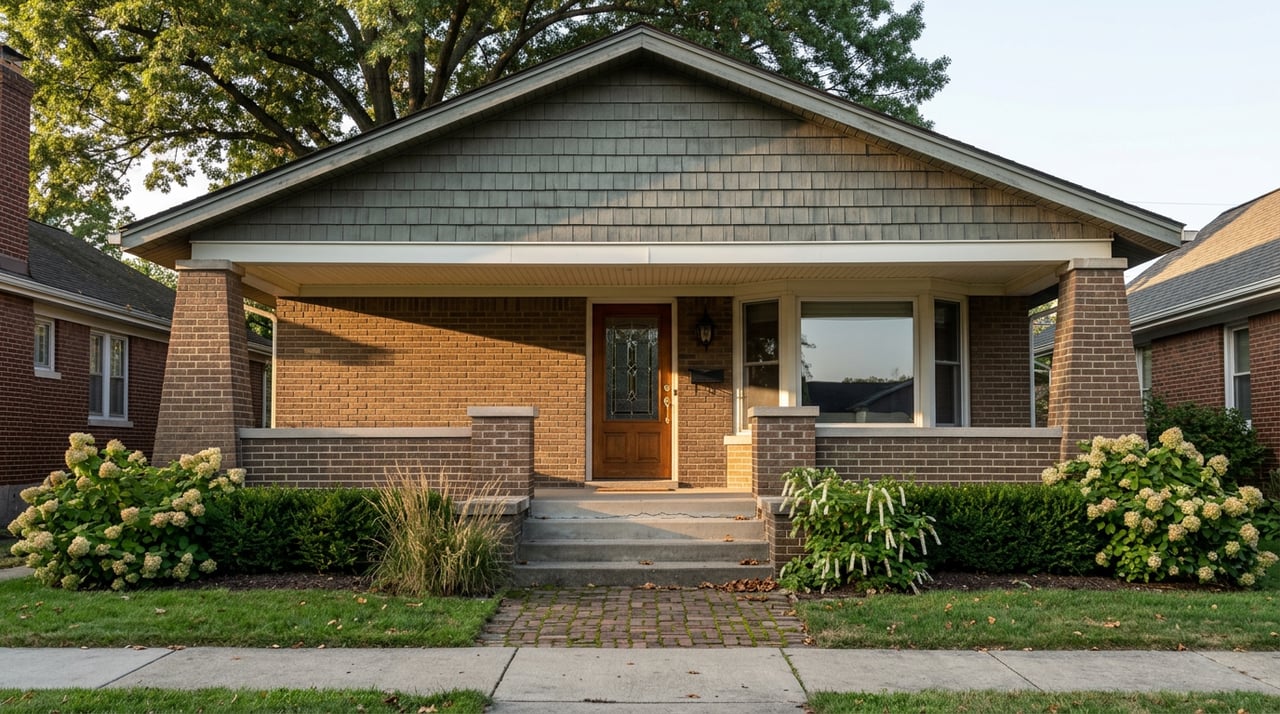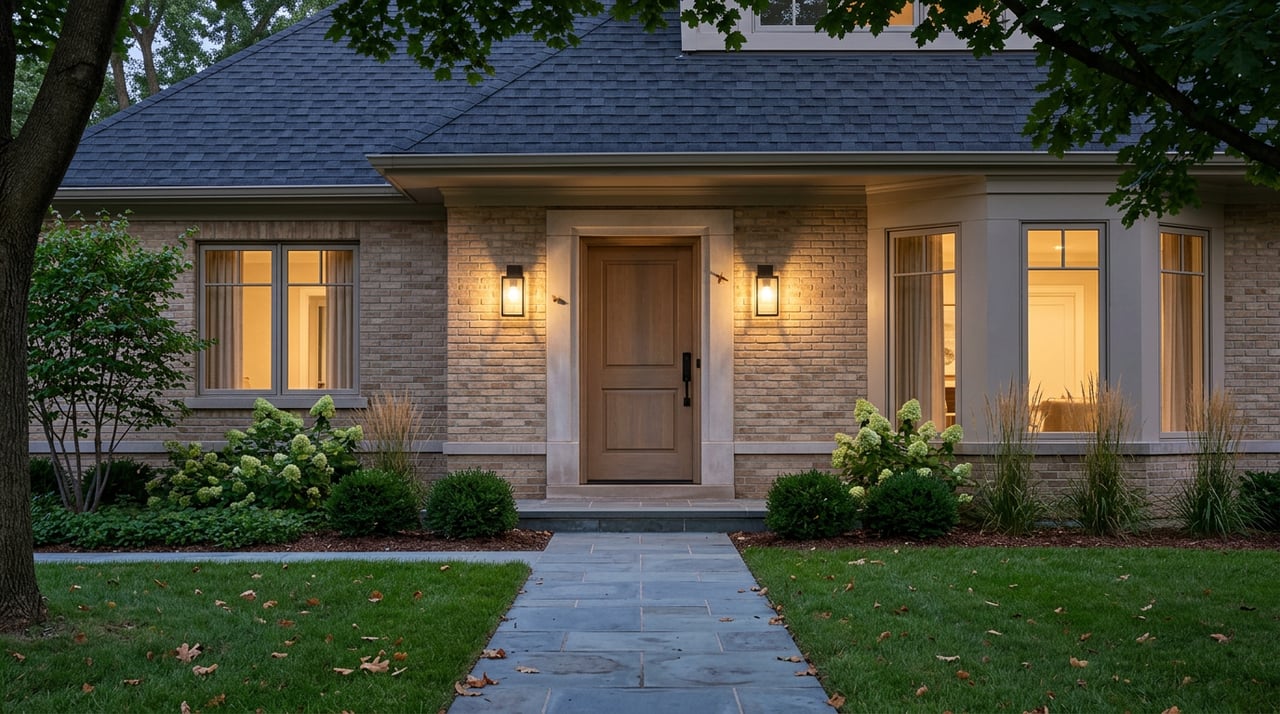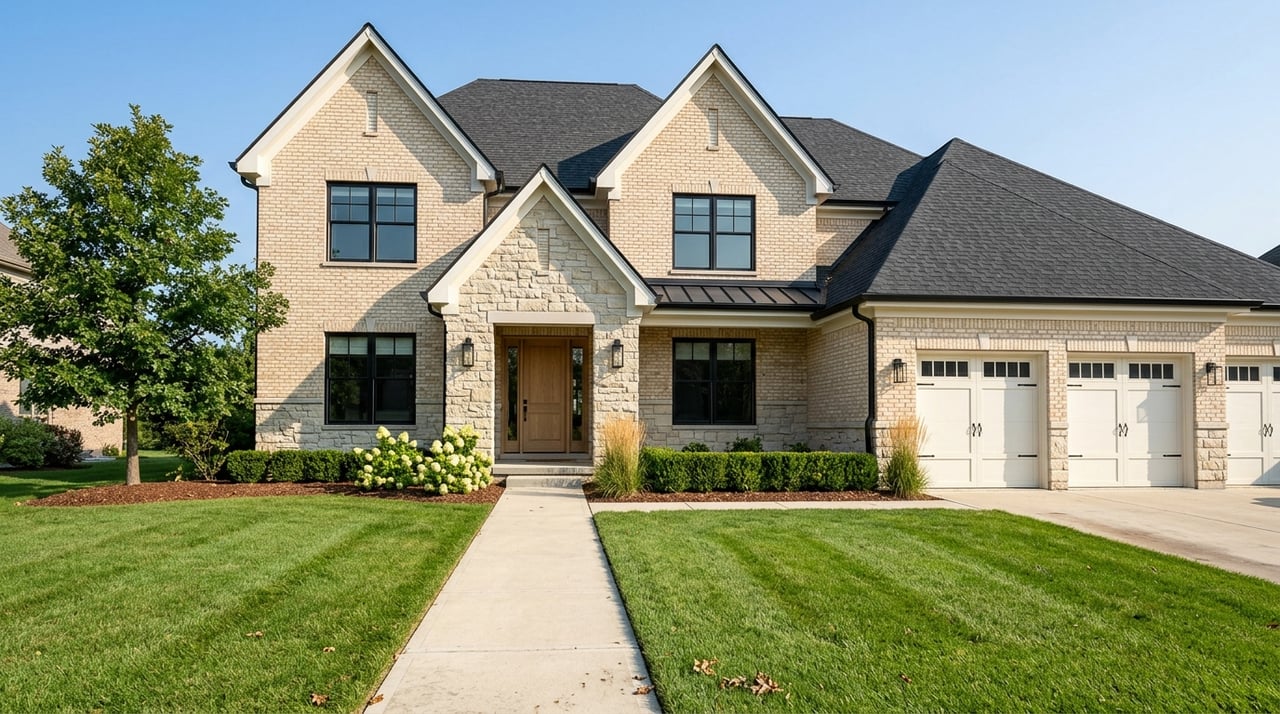
If you are thinking about building in Westfield, you are not looking at a small niche corner of the market. Westfield is still actively growing, and new construction remains a major part of how the city is expanding. That creates real opportunity, but it also means you need to understand community types, lot choices, builder models, and timelines before you make a move. Let’s dive in.
Why Westfield stands out for new construction
Westfield has added a large amount of newer housing over the past two decades, and the city’s own planning materials show that more than 65% of local housing was built after 2000. Even with that growth, the city still reports low housing vacancy and a lack of housing diversity, which helps explain why new development continues to play such a big role here.
That growth is not slowing to a trickle. Westfield reported 1,149 single-family new home starts in 2023, which shows that new construction is still a meaningful part of the local housing market. For buyers, that means you can often compare multiple communities, lot styles, and home types instead of waiting for one rare opportunity.
Westfield’s planning also helps explain why many buyers look beyond the house itself. Newer subdivisions often include internal trail systems, recreational amenities, and pathways to nearby businesses. In practice, you are often choosing between lifestyle setups, not just floor plans.
What buyers can expect in Westfield
Westfield tends to appeal to buyers who want newer homes, organized neighborhoods, and amenity-rich settings. Many communities are designed to offer shared green space, neighborhood features, and a more planned feel than you may find in older resale areas.
At the same time, Westfield is not one-size-fits-all. You can find master-planned neighborhoods, golf-course communities, premium custom-home sections, and smaller build-oriented opportunities. That range is one reason the city remains attractive to move-up buyers, relocating households, and anyone considering a custom build.
The median home value in Westfield-Washington Township was reported at $450,000 in 2024. That figure helps set expectations, but your actual price point can vary widely based on lot size, construction style, community amenities, level of customization, and finish selections.
Westfield community styles to know
Master-planned neighborhoods
Some Westfield buyers want a neighborhood-first lifestyle. In those settings, the community may offer amenities such as pools, clubhouses, trails, playgrounds, dog parks, and open green space. These neighborhoods can also include a mix of home collections, including lower-maintenance options and homes with wooded, water, or green-space views.
This type of setup can be a strong fit if you want predictable neighborhood design and shared amenities built into your daily routine. It can also simplify your search because many decisions, from lot placement to builder options, are organized within the community structure.
Golf-course and amenity communities
Westfield also has communities shaped around golf and open space. These neighborhoods often blend a structured development plan with a more custom feel, especially when lot sizes vary and more than one builder is available.
A good example of the local pattern is a community with multiple lot sizes, such as 100' x 165', 67' x 150', and 90' x 140'. That kind of variation matters because it affects home footprint, backyard use, setback feel, and how much design flexibility you may have.
Custom-home communities
On the higher end of the market, Westfield includes custom communities that combine design flexibility with architectural oversight. These neighborhoods may allow preferred builders and custom homesites while still requiring compliance with published architectural guidelines.
For you, that can be a good middle ground. You may have room to personalize your home, but the neighborhood still maintains a consistent look and long-term design standard.
Build-on-your-lot and smaller projects
Not every new-construction opportunity in Westfield sits inside a large master-planned subdivision. Smaller-scale pocket neighborhoods and build-on-your-lot opportunities are also part of the local market. That can be appealing if you want a more specific location, a different lot style, or a more tailored build process.
This is where local guidance matters. Smaller opportunities can be easier to miss if you only search broad new-home inventory, and the process may look very different from buying in a large builder-run community.
Builder types in Westfield
Westfield new construction generally falls into three broad categories. Understanding the difference can help you avoid comparing homes that only seem similar on the surface.
Semi-custom or production builders
These builders are often found in master-planned communities. You may choose from a set of floor plans, elevations, and design packages, with some room to personalize finishes and features.
This route can offer a more predictable process and a simpler decision path. It may also work well if you want a new home without managing every detail from scratch.
Preferred-builder custom communities
In these neighborhoods, the community may maintain a list of approved builders and require compliance with architectural guidelines. You usually get more customization than you would with a production builder, but you still work within the rules of the neighborhood.
This option can suit buyers who want a custom home and a polished community setting. It also means lot choice and builder choice may be more controlled than in a typical resale purchase.
Full custom or build-on-your-lot builders
This is the most tailored path. You may start with raw land, a homesite you already own, or a lot outside a heavily structured neighborhood. The process often begins with evaluating lot fit, feasibility, site conditions, budget, and design goals before plans are finalized.
This approach offers the most flexibility, but it usually requires the most planning. It can also involve more variables related to site work, approvals, and timing.
How the building process usually works
No matter which builder type you choose, the real work often starts before construction begins. In many cases, the early phase includes lot analysis, plan fit, budget review, site considerations, and selection planning.
After that, finalized plans typically lead to contract pricing and a build schedule. Some builders also provide a selections checklist once plans are set. This is an important step because many timeline and budget surprises happen during pre-construction, not after framing starts.
In some communities, lot access is also more formal than buyers expect. A neighborhood may use a reservation process or control which builders can work in the community. If you are considering a premium custom area, ask early about lot release structure, builder approval, and design-review requirements.
Westfield permit timing matters
Westfield’s permit process is a real part of your timeline, especially for custom homes. The city requires items such as plot plans, stamped improvement drawings, landscape plans, energy certificates, and, when applicable, septic or well permits and driveway cut approval for lots on county roads.
The city also updated its development workflow in March 2026. Permit applications, inspection requests, petitions, licensing, and code-enforcement submissions now go through Westfield’s Citizens Portal. The city notes that incomplete documentation can delay processing or even void an application.
That matters because buyers sometimes focus only on the construction window. In reality, paperwork, approvals, and complete documentation can affect your move-in date just as much as weather or labor schedules.
What timeline should you expect?
For custom homes in Westfield, a reasonable general expectation is anywhere from about 8 months to well over a year. The exact timeline depends on design complexity, lot conditions, permitting, and the level of customization.
Some local builder examples place many custom homes in the 8 to 12 month range. Other luxury custom timelines in Central Indiana can run 12 to 18 months from groundbreaking to move-in, with another 3 to 6 months of pre-construction work before that.
If you are relocating or trying to coordinate a sale and a build, this is where planning becomes critical. It is wise to think in phases: lot selection, pre-construction, permitting, active construction, and final completion. A clear strategy can help reduce the pressure that comes from trying to line up everything at once.
Westfield versus Carmel, Zionsville, and Fishers
Westfield occupies a useful middle ground in the north Indianapolis suburbs. Compared with some nearby markets, it often offers more greenfield development, more amenity-rich neighborhoods, and more golf-course-oriented custom opportunities.
Westfield vs. Carmel
Carmel is increasingly shaped by infill and housing strategy work. Its housing stock is heavily weighted toward larger single-family homes, and the city is actively studying infill and Missing Middle Housing. In practical terms, that can mean new-build opportunities in Carmel are often more limited and more site-specific than in Westfield.
If you want broader subdivision options and a more active new-construction pipeline, Westfield may offer more choices. Carmel still has high-end custom opportunities, but they tend to be more targeted and established rather than broad greenfield development.
Westfield vs. Zionsville
Zionsville tends to lean more heavily toward estate-style and lower-density custom living. Its planning approach emphasizes preserving a specific look, feel, and quality of life, and examples in that market include wooded, ravine, creekside, and estate-oriented homesites.
If your goal is a larger-parcel custom setting, Zionsville may feel like a stronger fit. If you want a balance of custom options, structured communities, and newer amenity-focused neighborhoods, Westfield often lands in a more flexible middle position.
Westfield vs. Fishers
Fishers offers a more housing-diverse environment, with a wider mix of single-family neighborhoods, townhomes, duplexes, condos, and other middle-housing options. It is more mixed-density and more redevelopment-oriented than Westfield.
If you are focused specifically on detached new construction and community-driven suburban development, Westfield may feel more aligned with your search. If you want a broader mix of housing formats, Fishers may offer more variety.
How to choose the right Westfield path
The best choice depends on what you value most. Before you commit to a builder or a homesite, it helps to narrow your priorities in a simple, practical way.
Ask yourself:
- Do you want amenities such as trails, pools, and clubhouse access?
- Do you prefer a set floor plan with limited selections or a fully custom design?
- Is lot size a top priority?
- Do you want a golf-course, green-space, wooded, or water view setting?
- How flexible is your move-in timeline?
- Are you comfortable with design-review rules and builder restrictions?
- Do you want the convenience of a planned neighborhood or the flexibility of building on your own lot?
The more clearly you answer those questions, the easier it becomes to rule in the right communities and rule out the wrong ones.
Why local guidance helps
Westfield has real variety, but that variety can make the search more complex. Two homes with similar square footage may come with very different lot characteristics, builder processes, architectural rules, and timeline risks.
That is especially true if you are comparing resale against new construction, or comparing one Westfield community against another. Having an experienced local team on your side can help you weigh tradeoffs, understand how each option fits your timeline, and avoid costly assumptions before you sign.
If you are exploring new construction, custom homes, or build-oriented opportunities in Westfield, Heigl Real Estate Group can help you compare communities, evaluate lots, and navigate the process with clear local insight.
FAQs
What makes Westfield a strong market for new construction?
- Westfield continues to see active residential growth, with 1,149 single-family new home starts reported in 2023, plus a large share of housing built after 2000.
What kinds of new-construction communities are available in Westfield?
- Westfield includes master-planned neighborhoods, golf-course communities, custom-home sections, and smaller build-on-your-lot or pocket-neighborhood opportunities.
How long does a custom home in Westfield usually take to build?
- A general range is about 8 months to well over a year, depending on design complexity, lot conditions, permitting, and pre-construction work.
What permits are important for a Westfield custom home?
- Westfield may require plot plans, stamped improvement drawings, landscape plans, energy certificates, and in some cases septic, well, or driveway approvals.
How is Westfield different from Carmel for new construction?
- Westfield generally offers a more active new-construction pipeline and more greenfield community options, while Carmel is more infill-oriented and often more limited for broad new-build opportunities.
How is Westfield different from Zionsville and Fishers for homebuilding?
- Westfield usually sits between the two, with more amenity-rich and golf-course opportunities than Fishers or Carmel often offer, but generally less estate-lot emphasis than Zionsville.
What should buyers compare before choosing a Westfield builder or community?
- Focus on lot size, community amenities, builder type, architectural rules, timeline expectations, and how much customization you want in the home and homesite.